Blogs and Interests

image

Big lessons. Little squirrels – the science of memory, utilization and forest growth

Every autumn, a squirrel can bury as many as 3,000 nuts, and one study found squirrels never dig up as many as 74% of them. Some of those forgotten nuts grow into trees. Squirrelnator- a virtual AI learning Lab – turns that small, funny fact of nature into a big idea: a forgetful squirrel is an accidental gardener, and figuring out how many trees it planted is a perfect first lesson in data science.

Read More »
anthonygraves mclarenracing

Moneyball to Machine Intelligence

Professional sports might be one of the best ways to understand where enterprise AI is headed.
Long before we started talking about AI agents, machine learning, Gemini Enterprise, or predictive analytics, sports teams were already asking a very similar question:
How do we take all this information and turn it into a better decision than our competitor?

Read More »
ampra screen1

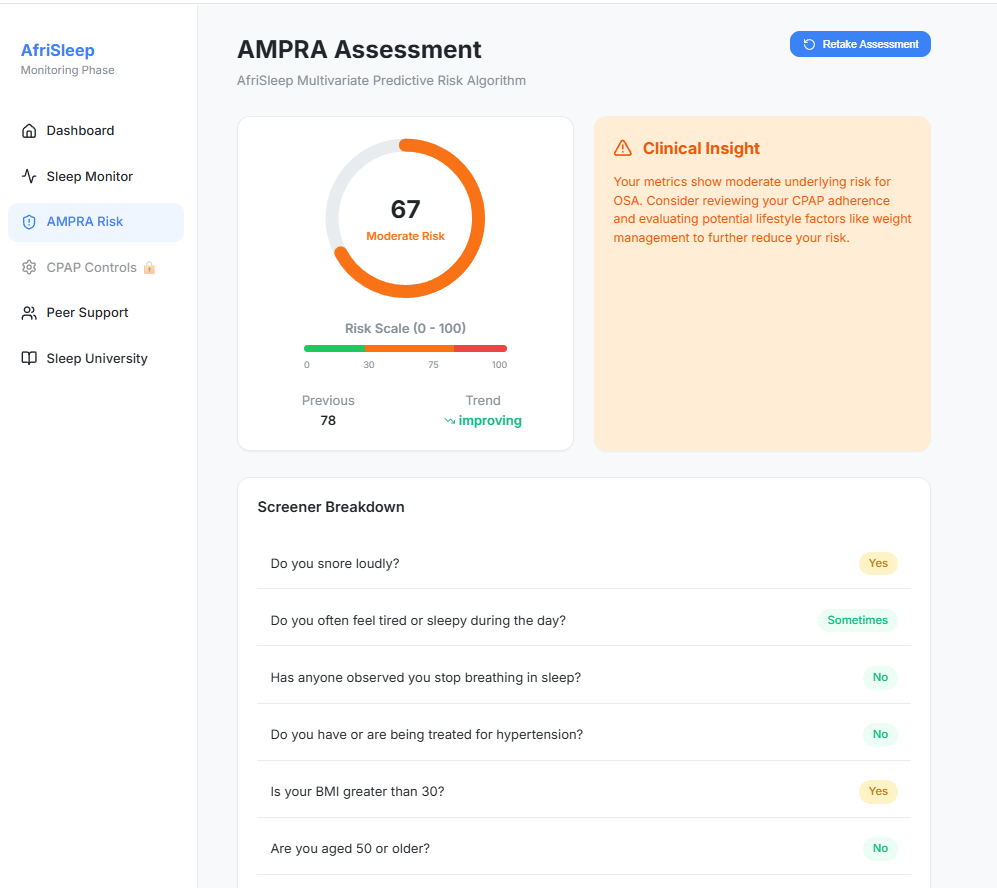
Deep Dive: Google AI Tool Chain: Vibe Coding with Antigravity 2.0 – AfriSleep App Development

AfriSleep Da’Chi, a responsive, mobile-first web application designed to coach, educate, and support African men living with or at risk for Obstructive Sleep Apnea (OSA). Rather than creating another standalone wellness app, the objective was to consolidate sleep health management, education, symptom tracking, and intervention into a single AI-powered experience.

Read More »
CoPilot:Something went wrong.Please try again later.

The Hidden Copilot Conflict: Multi-Account Sign-In and Tenant Restrictions

During an enterprise Microsoft 365 Copilot rollout, I encountered an unusual identity and session-management edge case involving a contractor/student account with secondary organizational access. Although the user had been fully provisioned with Copilot licensing and completed governance onboarding, Copilot consistently failed in standard browser sessions while functioning correctly in Incognito mode.

Read More »
cheng chieh hsu 8zqzlg fpku unsplash

AI Optimism, Environmental and cost efficiency concerns.

I came across a recent study out of Massachusetts Institute of Technology that really cuts through a lot of the hype around AI. The core takeaway is pretty straightforward: AI isn’t universally cost-effective—at least not yet. When you actually break down tasks at a granular level, only a small percentage make financial sense to automate today. In many real-world scenarios, human labor is still the more efficient and cost-effective option.

At the same time, research from the Stanford Institute for Human-Centered Artificial Intelligence adds another layer that often gets overlooked—AI carries a growing environmental and infrastructure cost.

Read More »
unifiedmenu copilot

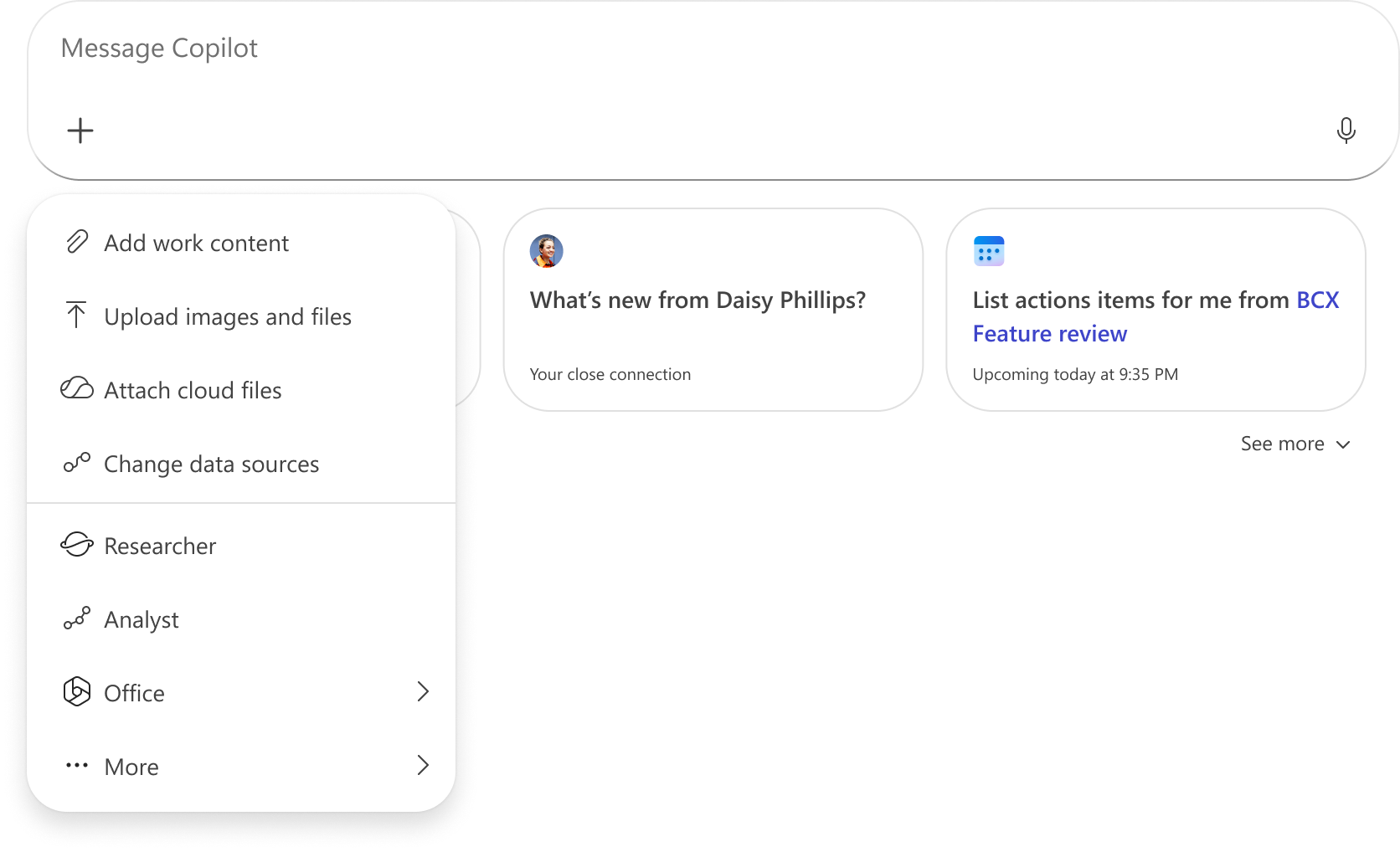
CoPilot UI changes – The Unified Plus Menu

The new Unified Plus menu changes things a bit for users.

 Here is why.

• Reduces friction when building prompts
• Improves discoverability of Copilot capabilities
• Keeps users “in flow” without jumping between menus
• Standardizes the experience across licensed and unlicensed Copilot users
From an adoption standpoint, this is exactly the kind of UX simplification that drives real usage—less training, fewer clicks, better outcomes.

Read More »
udacityai practitioner challenge april27 2026 tonygraves

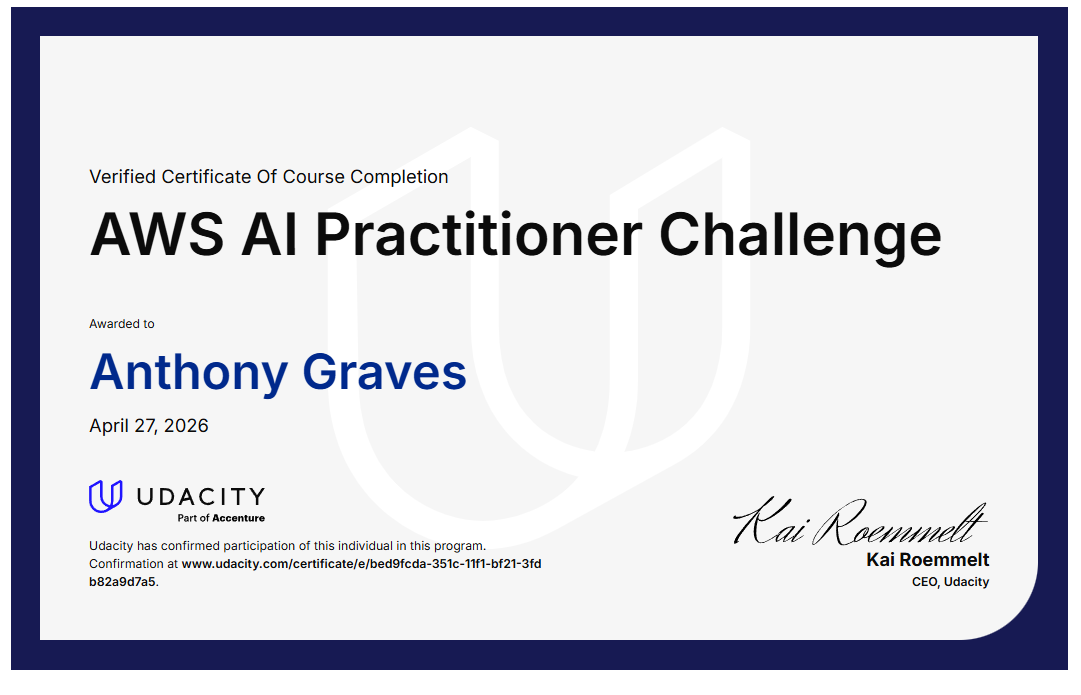
Udacity AI Academy – AI Tooling and Adoption Journey

This month on my AI Tooling and Adoption journey, I explored the Amazon AWS AI Tool Chain and AI development for production-ready pipelines. The course was enjoyable, and I appreciated the tools available on AWS and graciously sponsored by Udemy-Accenture, including #Sagemaker, #Bedrock, #Partyrock, and #Kendra.

Read More »

How Solution Architecture Enables Digital Transformation

Digital transformation is often framed as a technology problem. In my experience, it rarely is. It’s a coordination problem—between systems, people, processes, and vision. Solution architecture sits right in the middle of that tension, acting as the connective tissue that turns ambition into execution.

I’ve spent my career evolving from a SharePoint and .NET developer into a solutions-focused engineer working across cloud platforms, enterprise integrations, and modern application stacks. That journey has shaped how I see transformation: not as a single initiative, but as a continuous architectural discipline.

Read More »